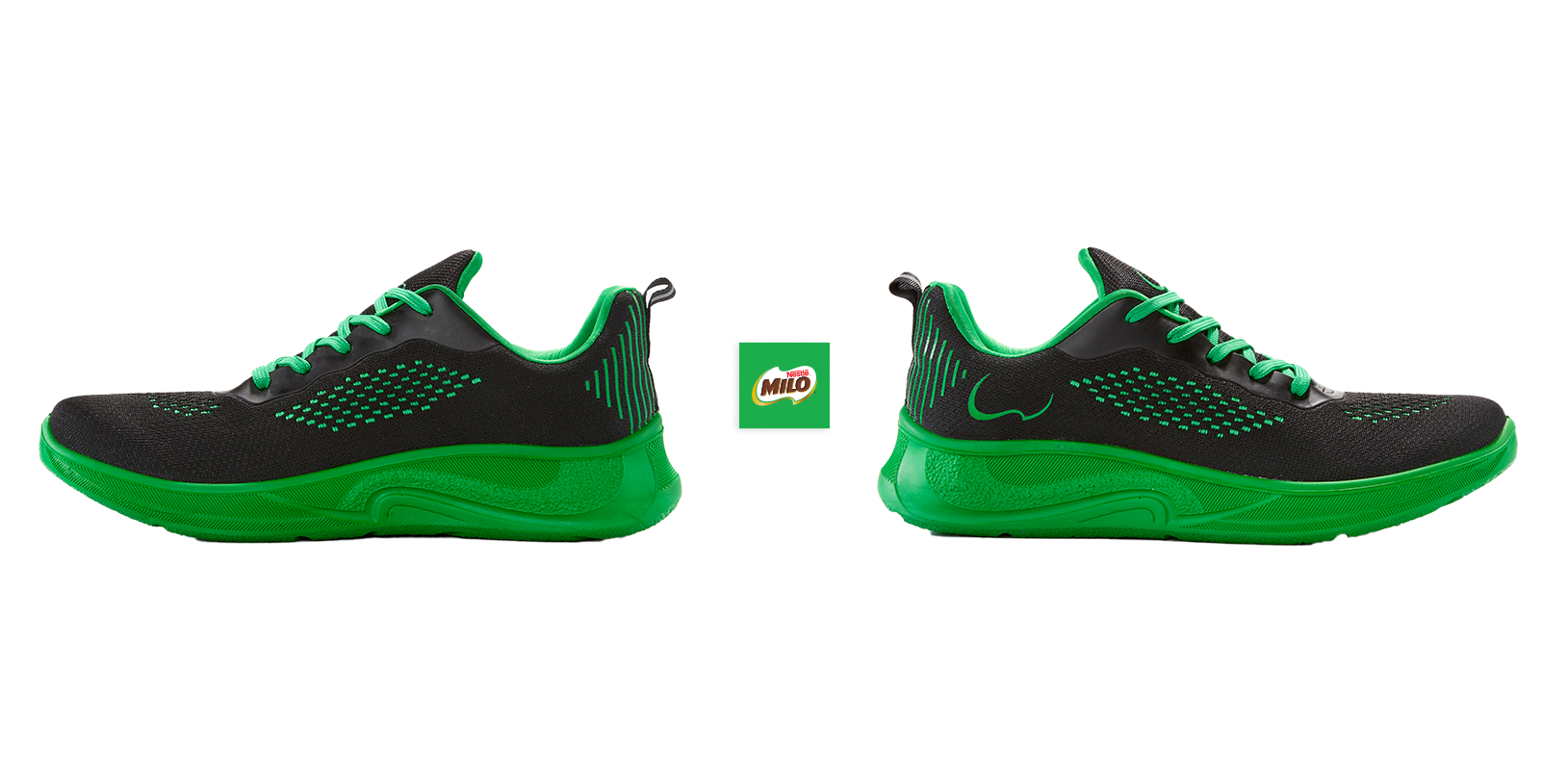
MILO®SHOES
A circular footwear system engineered from post-consumer packaging.
-
Flexible multilayer doypack packaging has extremely low structural recyclability in Colombia. The challenge was not simply reuse—it was to engineer a non-structural waste material into a load-bearing outsole capable of withstanding repetitive human impact while remaining affordable and manufacturable at scale.
-
The outsole was developed under real biomechanical constraints: repetitive impact, plantar pressure distribution, arch activation, and fatigue resistance.
Biomechanical validation conducted with FootLab – Pontificia Universidad Javeriana confirmed:
• Optimized material density: 480 kg/m³
• Reduced peak plantar pressures (>150 kPa)
• Improved arch activation
• Enhanced load symmetry during gaitThe design prioritised long-term comfort, balanced pressure distribution, and responsible human–product interaction under repeated use conditions.
-
Transforming flexible waste into a structural footwear component required controlled compression, density calibration, and geometric optimisation.
Development included:
• Iterative material shredding and compaction testing
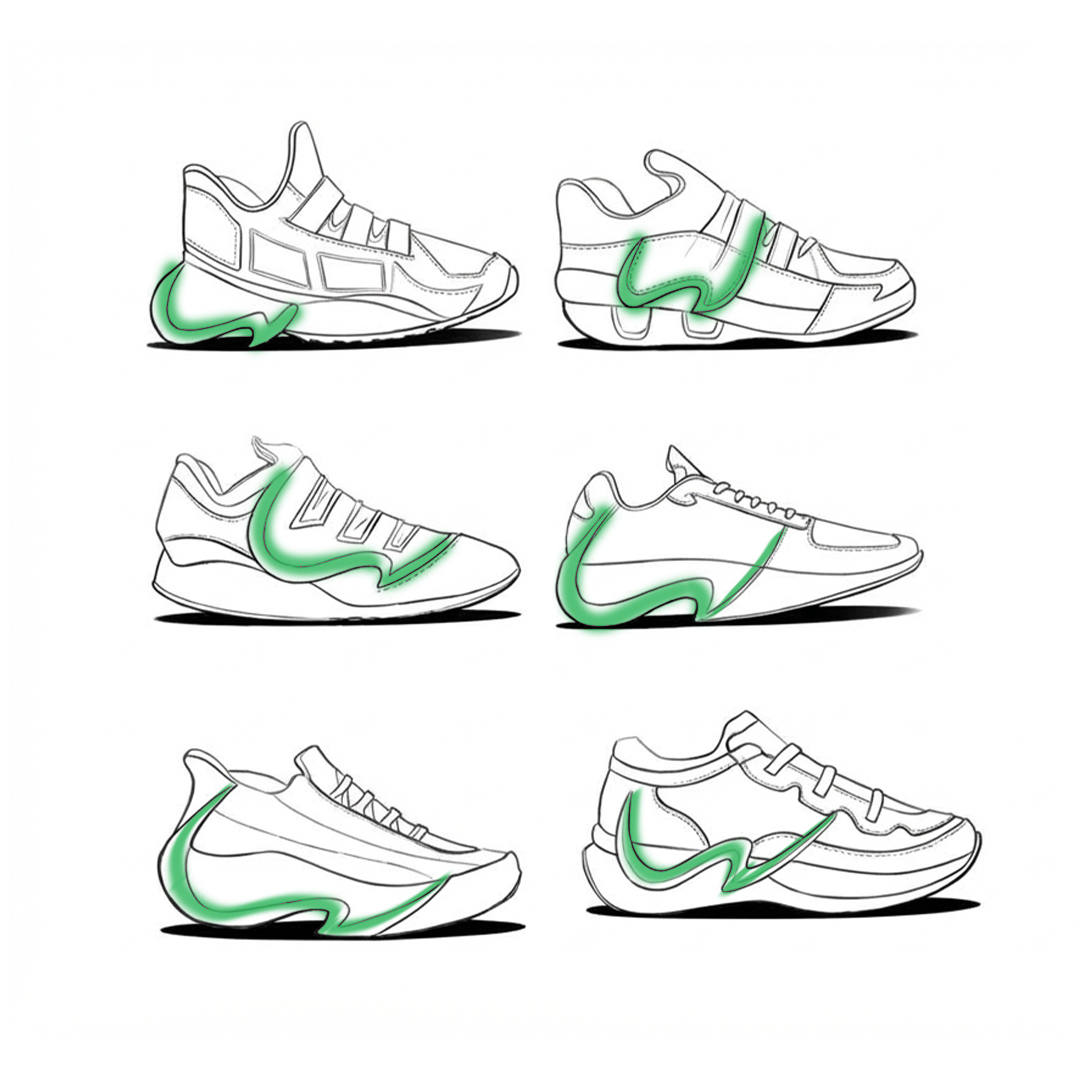
• Outsole geometry refinement to control flex and rebound
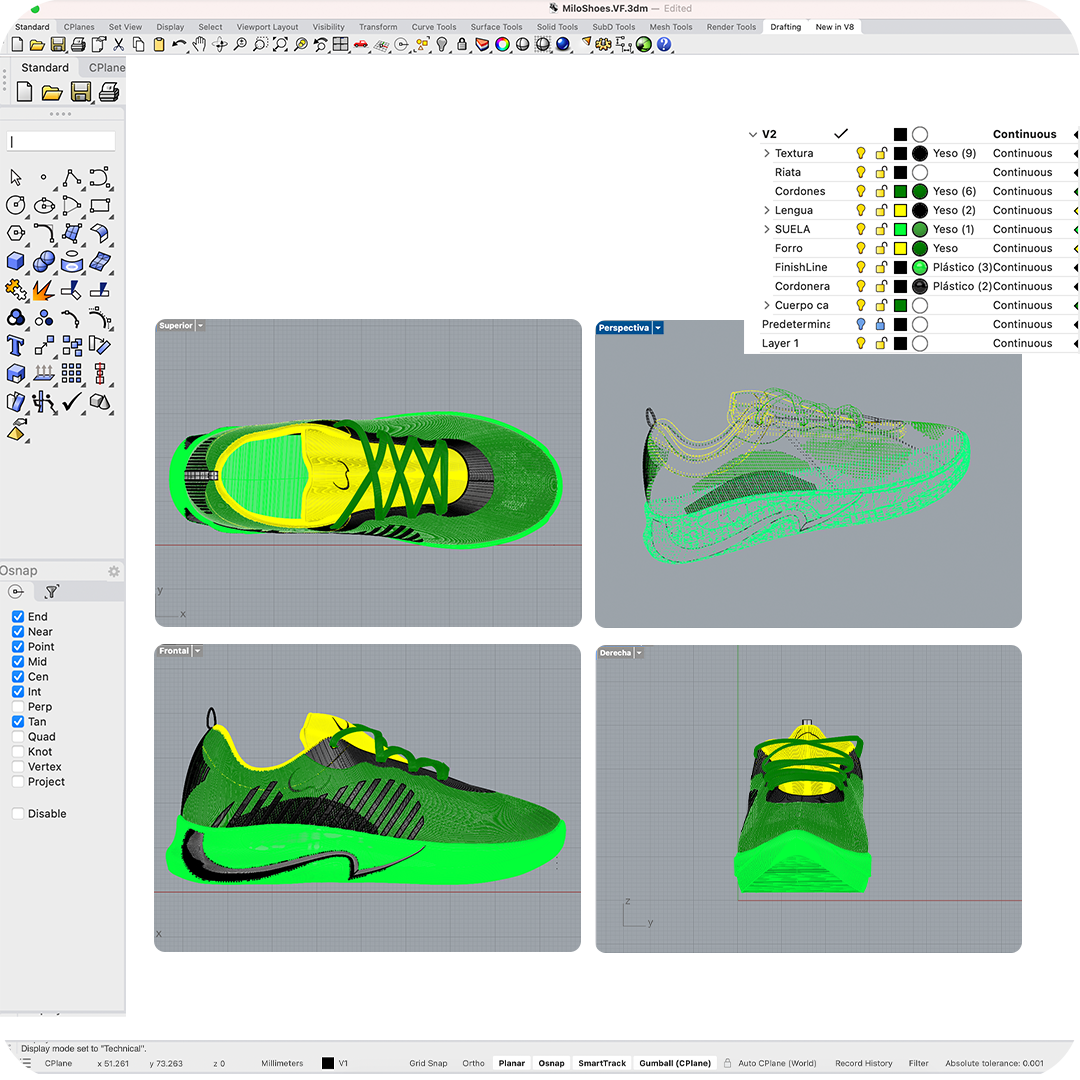
• Tooling adaptation for local manufacturing
• ASTM F1614-99 cyclic compression validation (42,000 impact cycles)Final results showed <3.2% stiffness degradation after simulated marathon-level impact, maintaining structural integrity under 1100 N load.
-
Post-consumer multilayer packaging was mechanically processed and reintegrated into the outsole structure as a compressed composite layer.
This approach:
• Diverted flexible waste from landfill
• Preserved structural performance
• Enabled circular material integration without compromising durability -
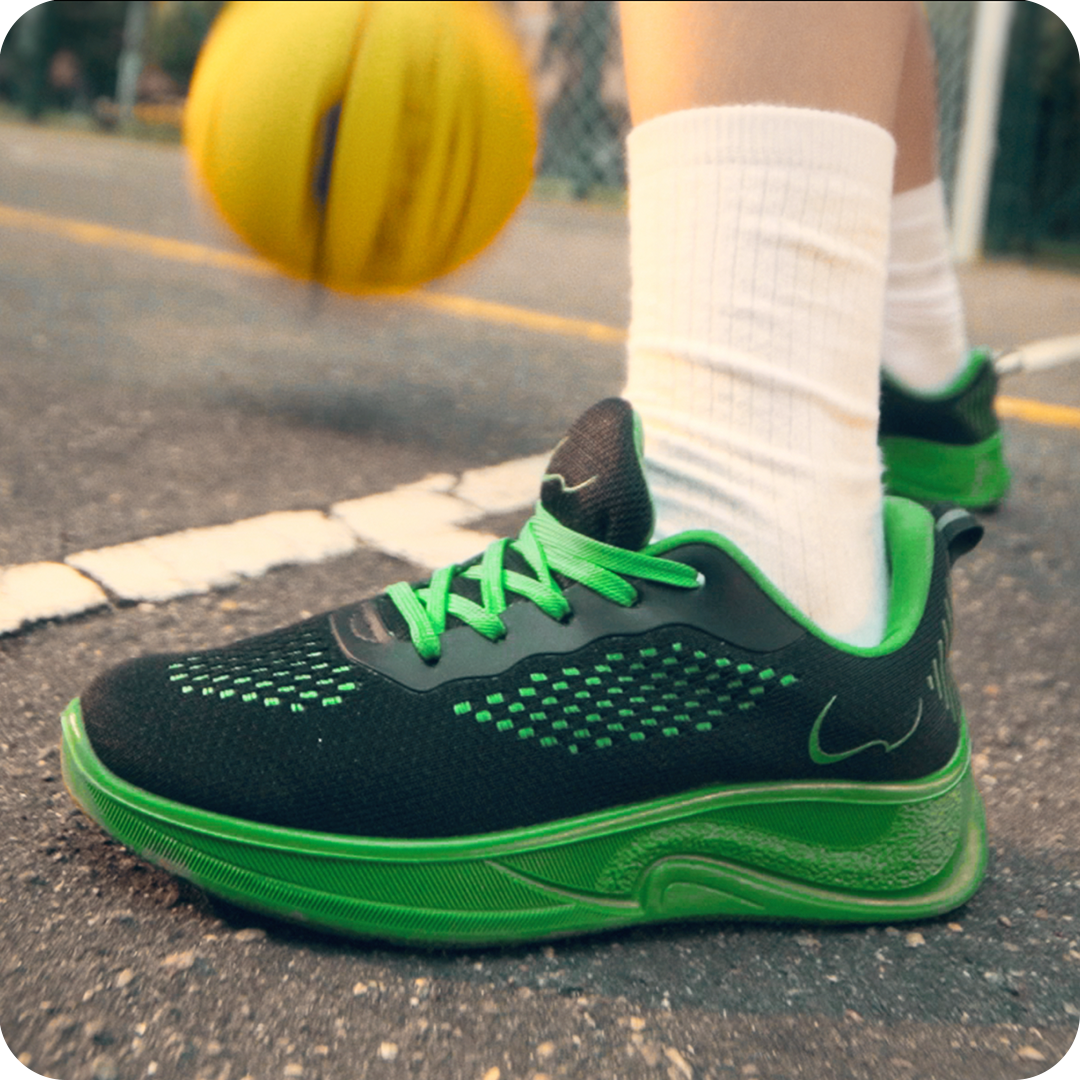
MILO® Shoes demonstrates that low-value flexible waste can be transformed into biomechanically validated footwear components suitable for mass production.
Technical outcomes:
• Competitive mechanical performance compared to benchmark athletic footwear
• Validated fatigue resistance under ASTM standards
• Scalable local manufacturing potentialBy transforming packaging waste into high-performance footwear, the project illustrates how industrial design can reconnect sustainability, accessibility, and everyday consumer products—democratizing circular innovation for a broader audience.