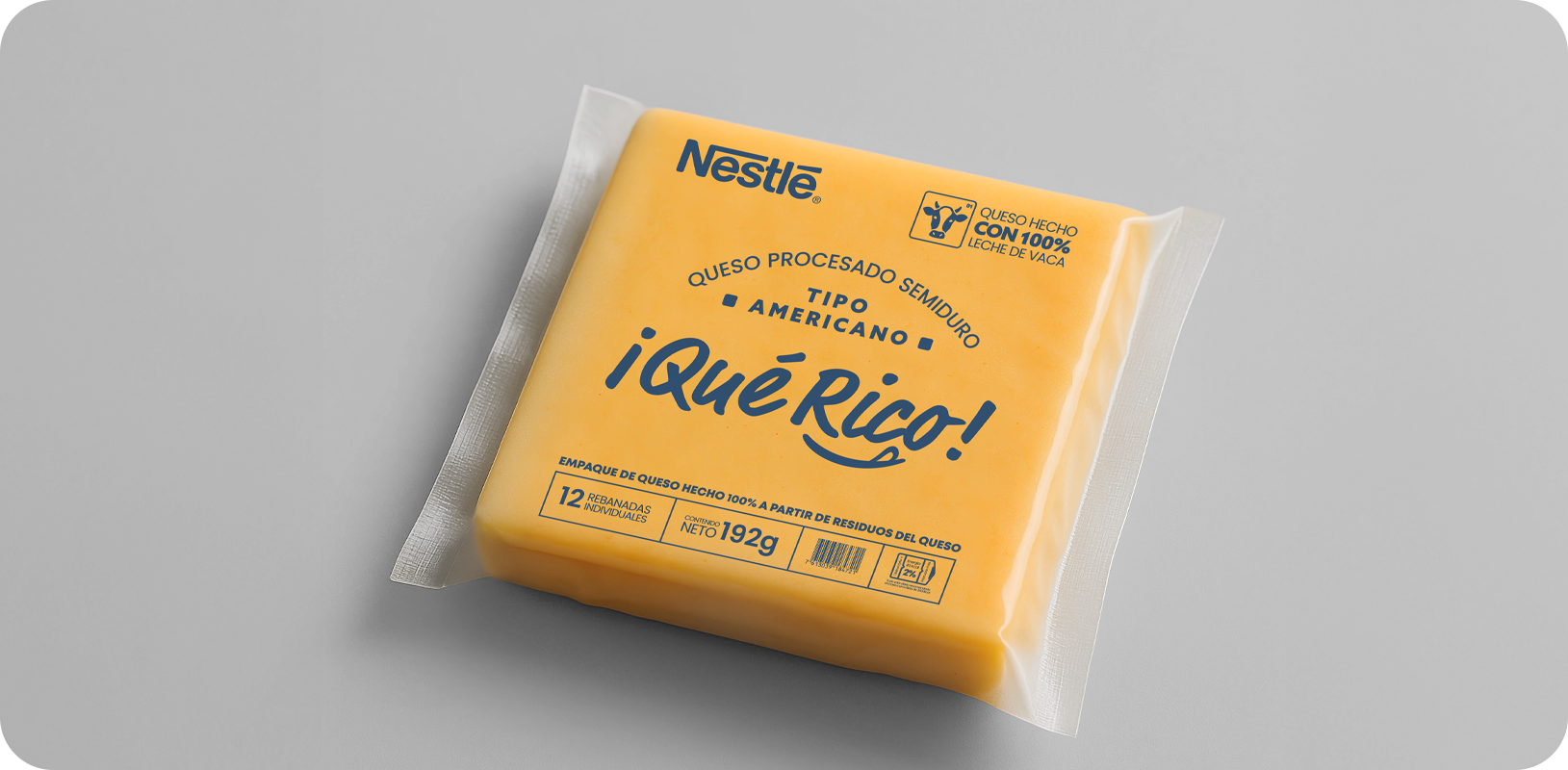
SELF PACKING CHEESE
Packaging grown from waste.
-
Cheese is one of the most widely consumed foods in Latin America, deeply embedded in daily culture and diet. In Panama alone, more than 80% of the population consume cheese weekly.
However, this everyday product generates two major environmental challenges.
First, conventional cheese packaging produces significant plastic waste, contributing to more than 50,000 tons of packaging waste annually.
Second, cheese production itself generates whey, an acidic byproduct that can severely pollute waterways if not properly treated.For Nestlé's ¡Qué Rico! cheese — one of the best-selling cheese brands in Panama — these two waste streams existed simultaneously: plastic packaging and industrial whey disposal.
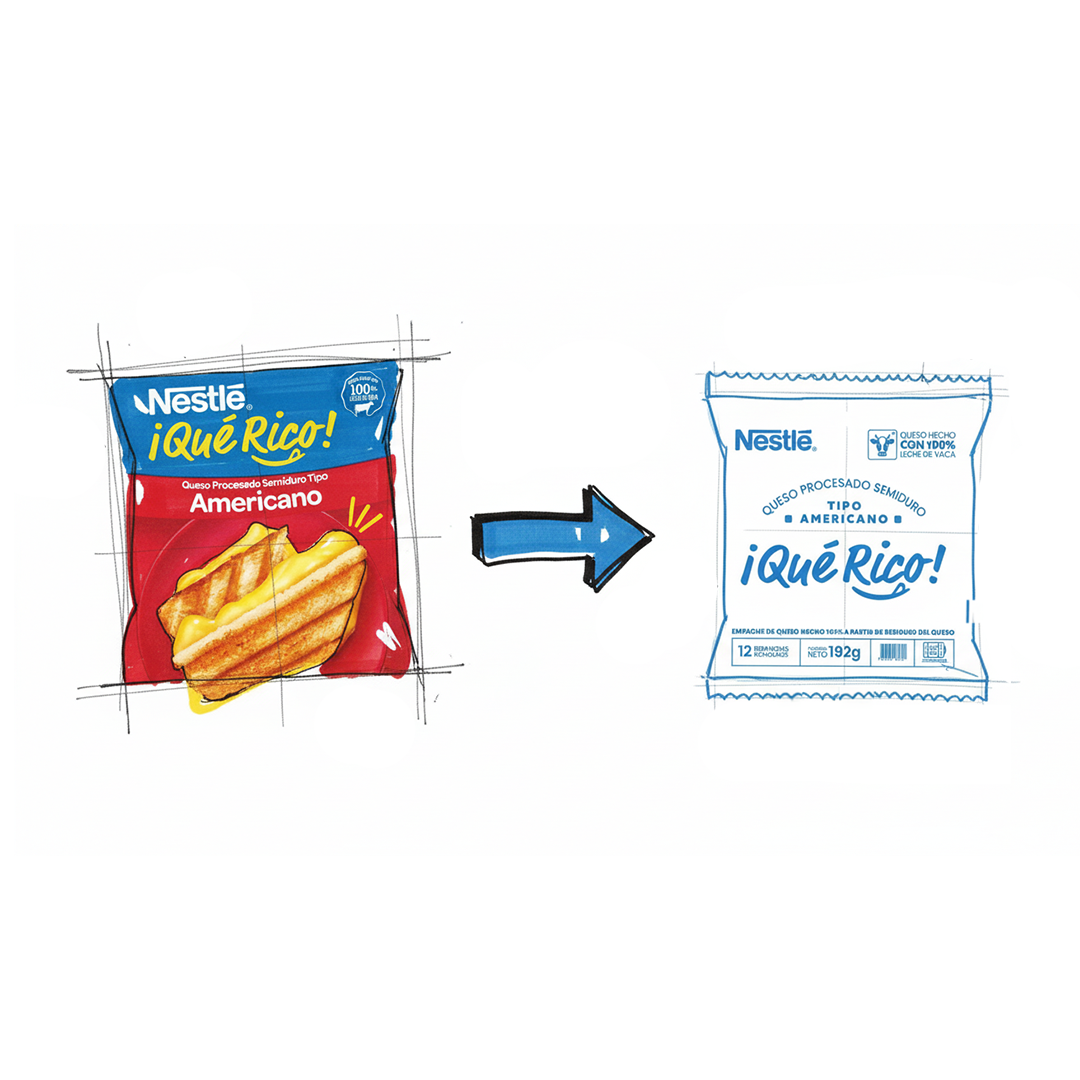
The challenge was not simply to redesign packaging, but to rethink the entire system behind it.
-
Food packaging must guarantee not only product protection but also consumer safety.
Because Self-Packing Cheese introduces a novel biopolymer derived from dairy byproducts, rigorous laboratory validation was required to ensure safe contact with food.
Independent migration tests were conducted by an accredited laboratory to evaluate interactions between the biopolymer and fatty food simulants representing cheese products. Three material formulations were analyzed under conditions aligned with international food-contact standards.
Results confirmed that all tested compositions remained well below global migration limits established by European regulations and complied with FDA food-safety requirements.
Heavy metals such as cadmium, mercury, and chromium were not detected, while lead levels remained significantly below regulatory thresholds.
These validations demonstrate that the biopolymer packaging is safe for direct food contact while maintaining the functional performance required for industrial cheese packaging.
-
The core challenge was translating an industrial byproduct into a functional packaging material capable of meeting food safety, durability, and shelf-life requirements.
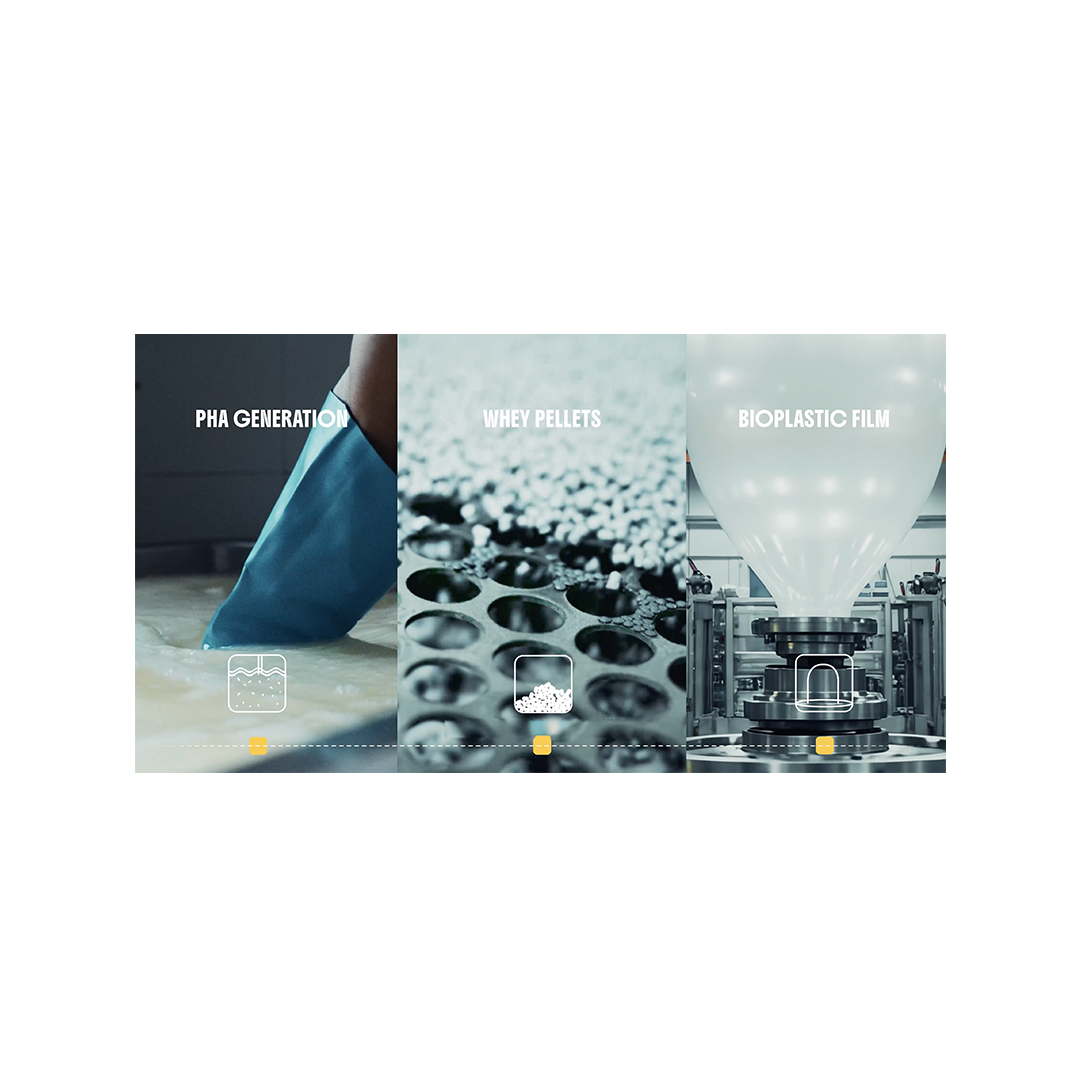
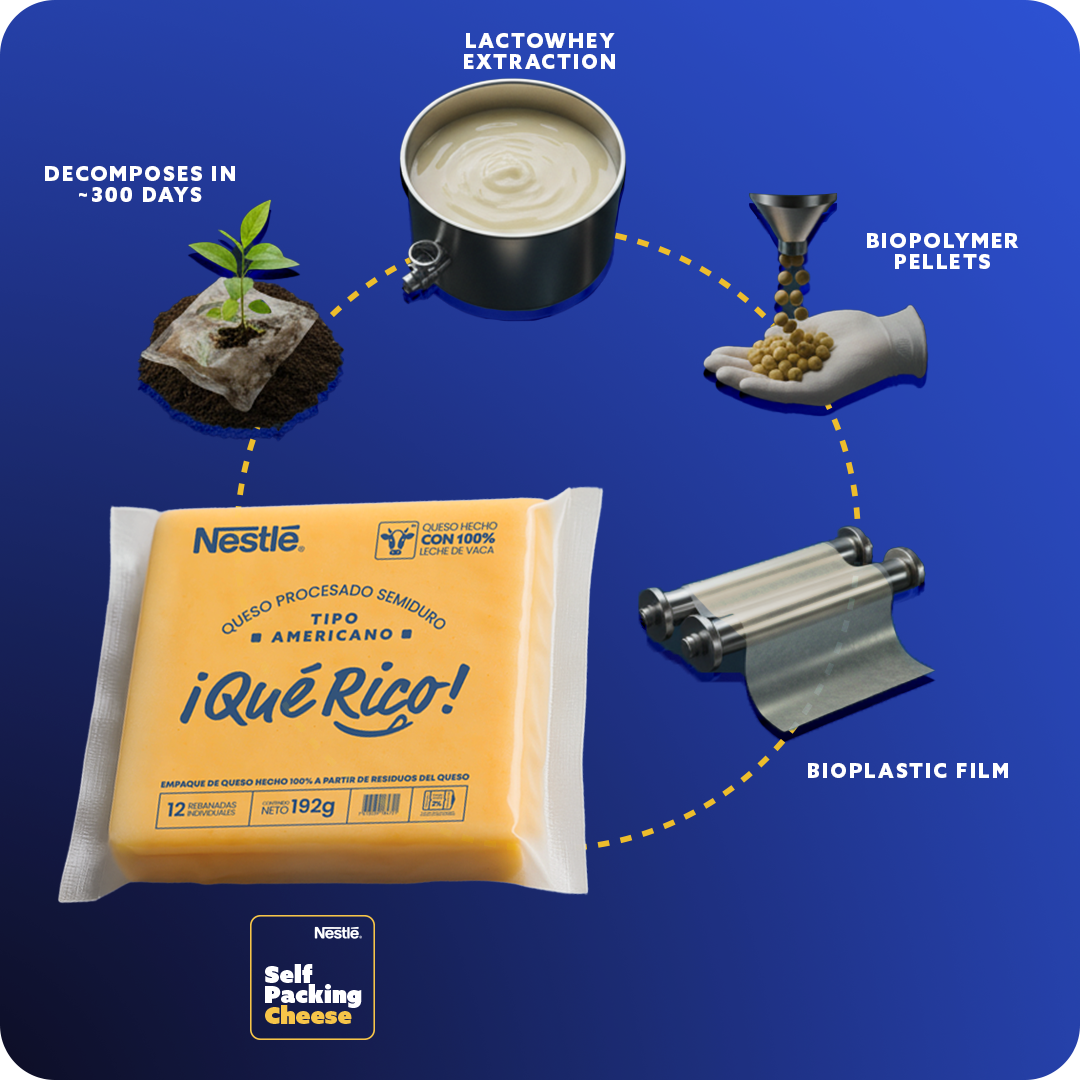
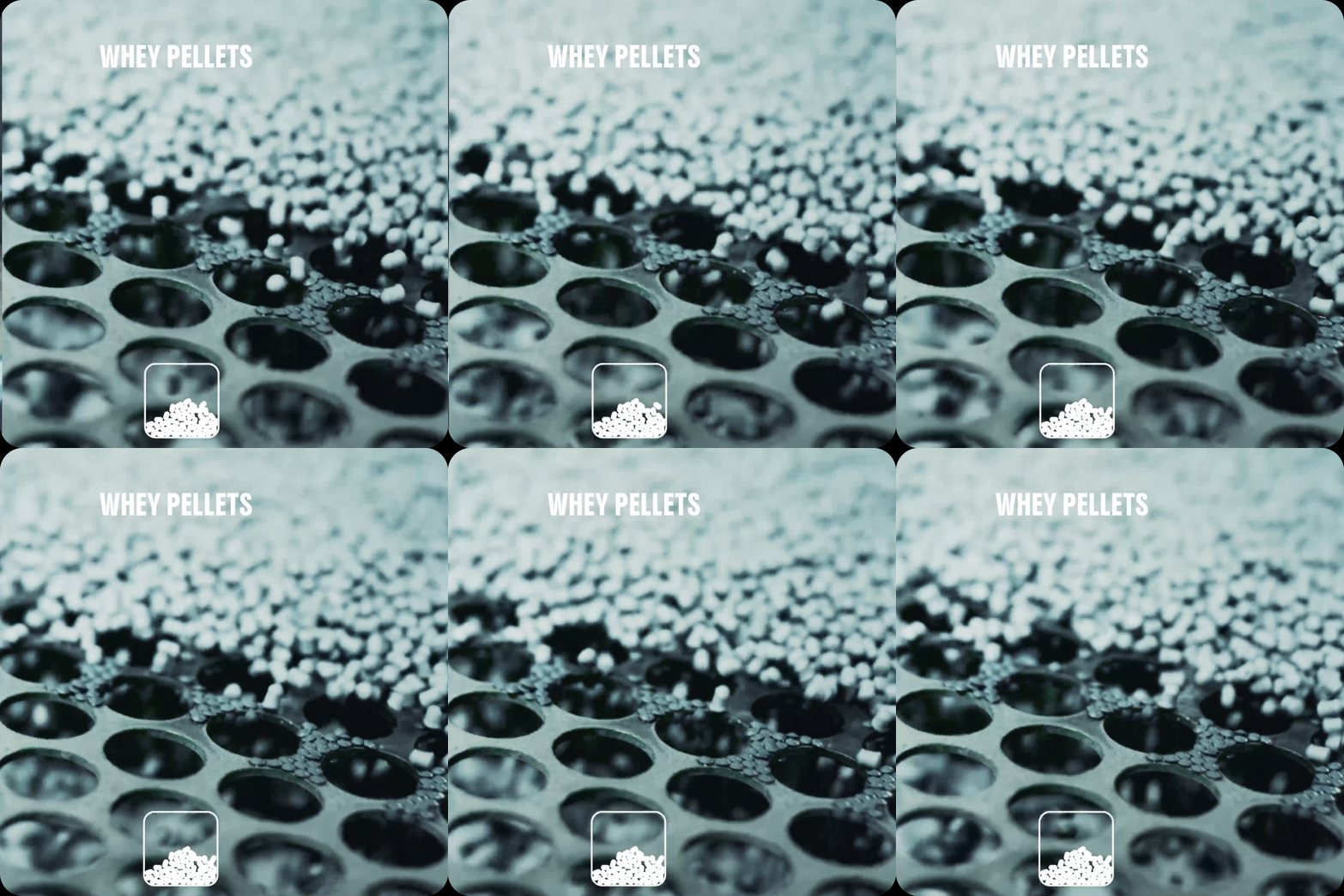
Through controlled fermentation, cheese whey is converted into PHA (polyhydroxyalkanoate) — a biodegradable biopolymer capable of replicating many of the mechanical and barrier properties of conventional plastics.
The material was tested under international standards including:
• FDA & EU food safety compliance
• ASTM D638, D790, D256 for mechanical performance
• ASTM D3985 & E96 for barrier properties
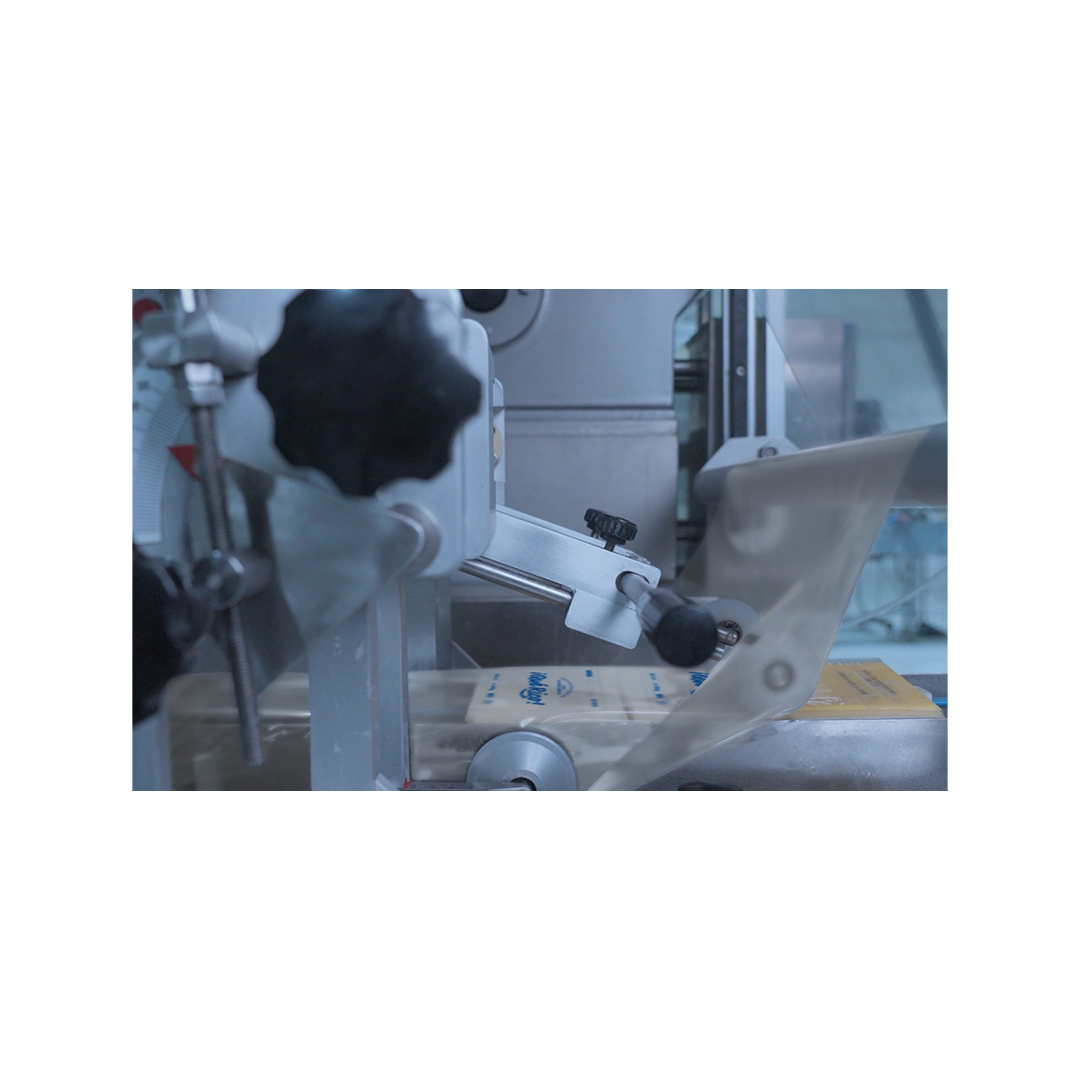
• ISO 14855 & 17556 for biodegradabilityThe resulting material behaves similarly to traditional packaging film while integrating seamlessly into existing industrial extrusion and molding processes, requiring no changes to Nestlé's production infrastructure.
-
Self-Packing Cheese redefines packaging by transforming a waste stream into the primary material of the product.
Instead of disposing whey as industrial waste, the project converts it through biotechnology into PHA bioplastic, a biodegradable material that decomposes naturally in approximately 300 days.
This circular strategy eliminates the need for conventional plastic packaging while simultaneously reducing pollution caused by dairy industry waste.
The packaging does not simply contain the product — it originates from it.
Waste becomes material.
Material becomes packaging. -
Self-Packing Cheese demonstrates how industrial design can operate at a systemic level, transforming waste streams into functional product materials.
The project achieved measurable environmental and business impact:
• 245 tons of plastic eliminated annually
• 12,833 tons of whey waste repurposed
• 18,577 tons of bioplastic generated
• 5,000 pilot products tested for durability, safety, and consumer acceptance
• 100% cost-neutral integration into productionRecognized with a Silver Lion in Design at Cannes Lions, the project demonstrates how design can move beyond aesthetics to become a driver of circular manufacturing systems.
More than packaging, Self-Packing Cheese represents a new model where products are designed from their own waste.