VESTIK
A modular medical wearable engineered through industrial design to democratize respiratory therapy.
-
Cystic fibrosis patients require daily respiratory therapy to prevent mucus accumulation in the lungs. In many middle-income countries, however, access to this treatment depends on large, expensive hospital-based equipment that is often unavailable to young patients.
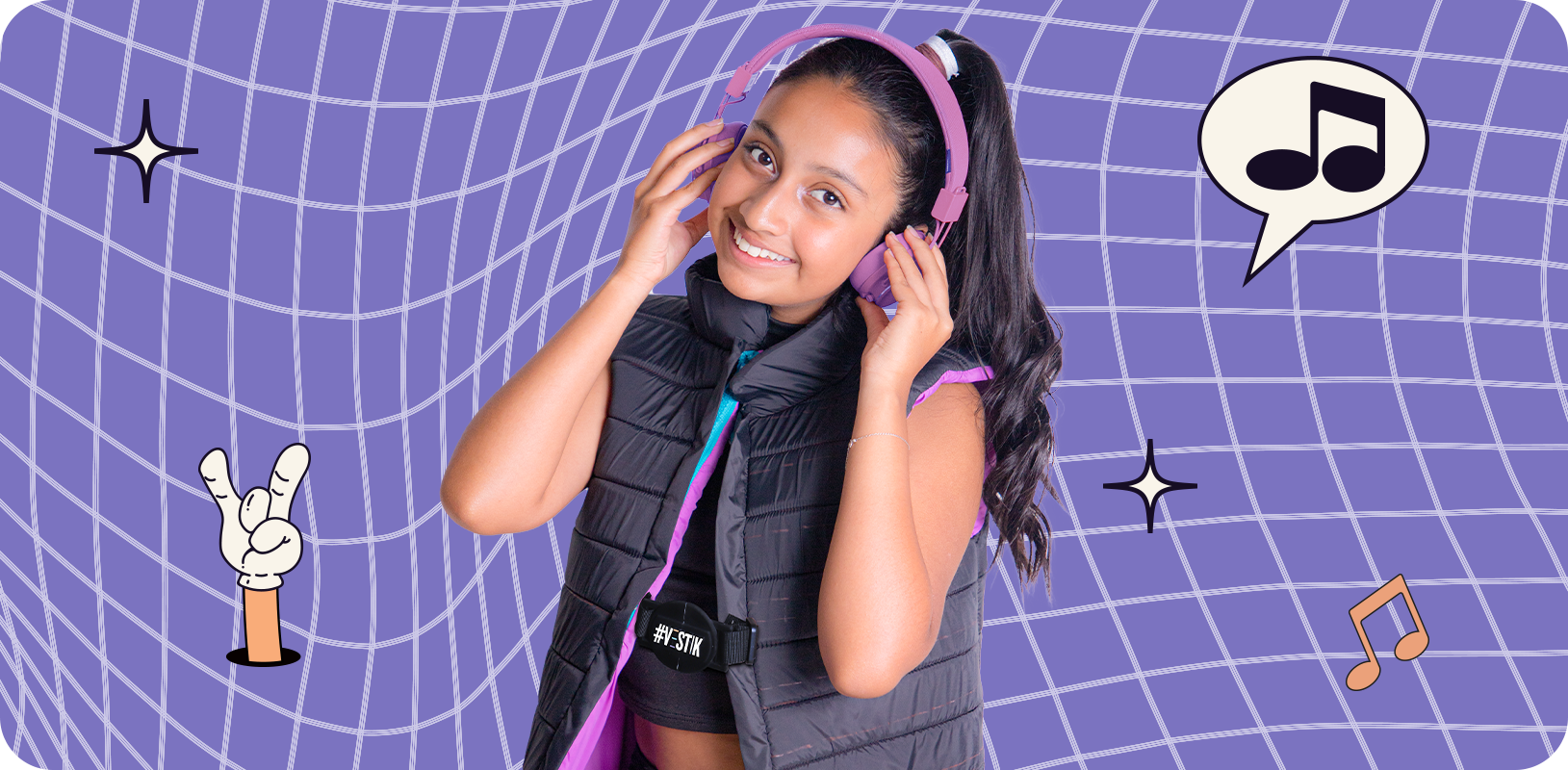
For children and teenagers, this creates a double burden: declining lung function and emotional disconnection from their therapy routines.
The challenge was to design a solution capable of delivering effective respiratory therapy while fitting naturally into the everyday life of a digitally connected generation.
Vestik emerged as an attempt to transform therapy from a hospital procedure into a daily, accessible, and human-centered experience.
-
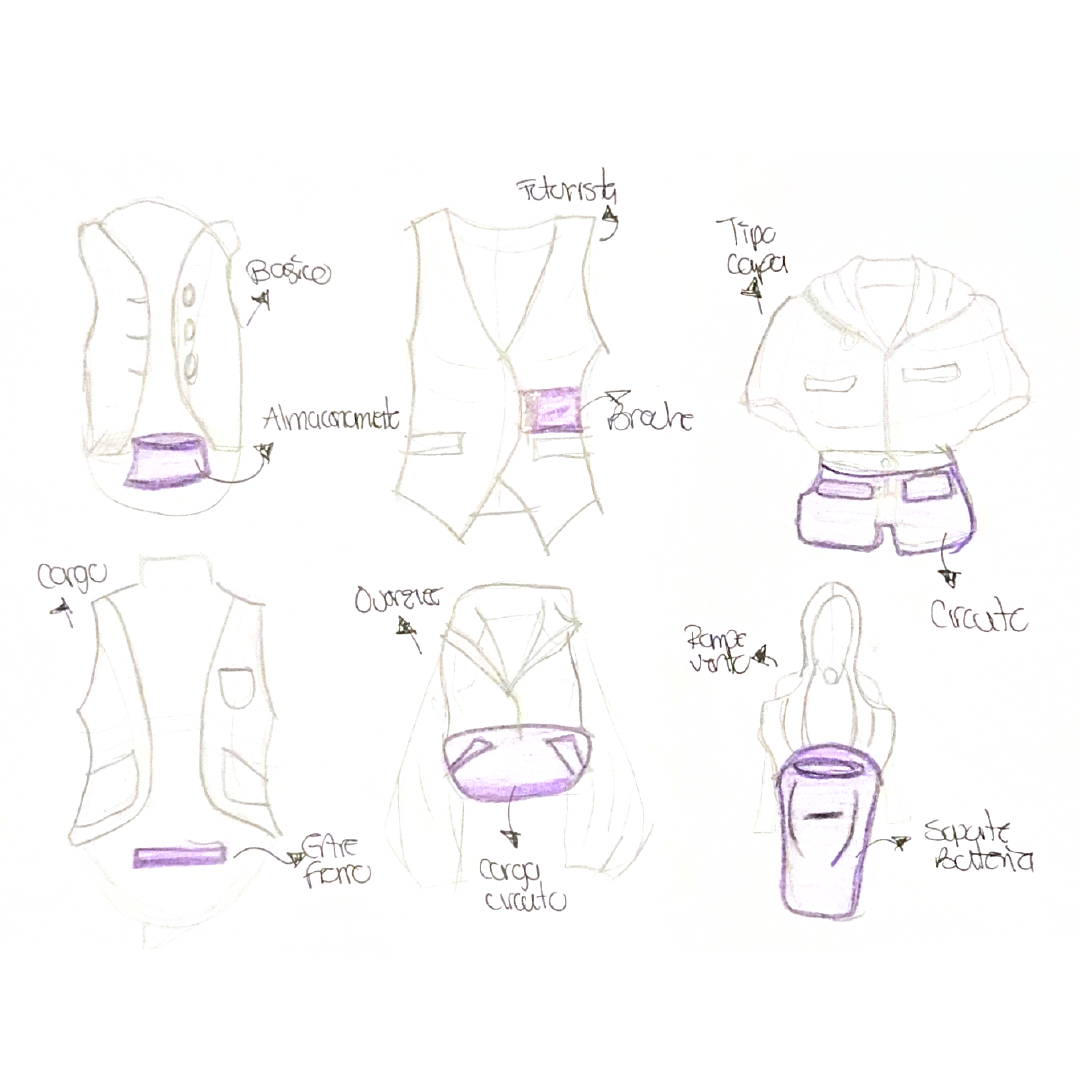
Vestik was developed under a Human-Centered Design approach, placing the physical and emotional needs of young patients at the core of the design process.
The system was designed to:
– adapt comfortably to the anatomy of growing bodies
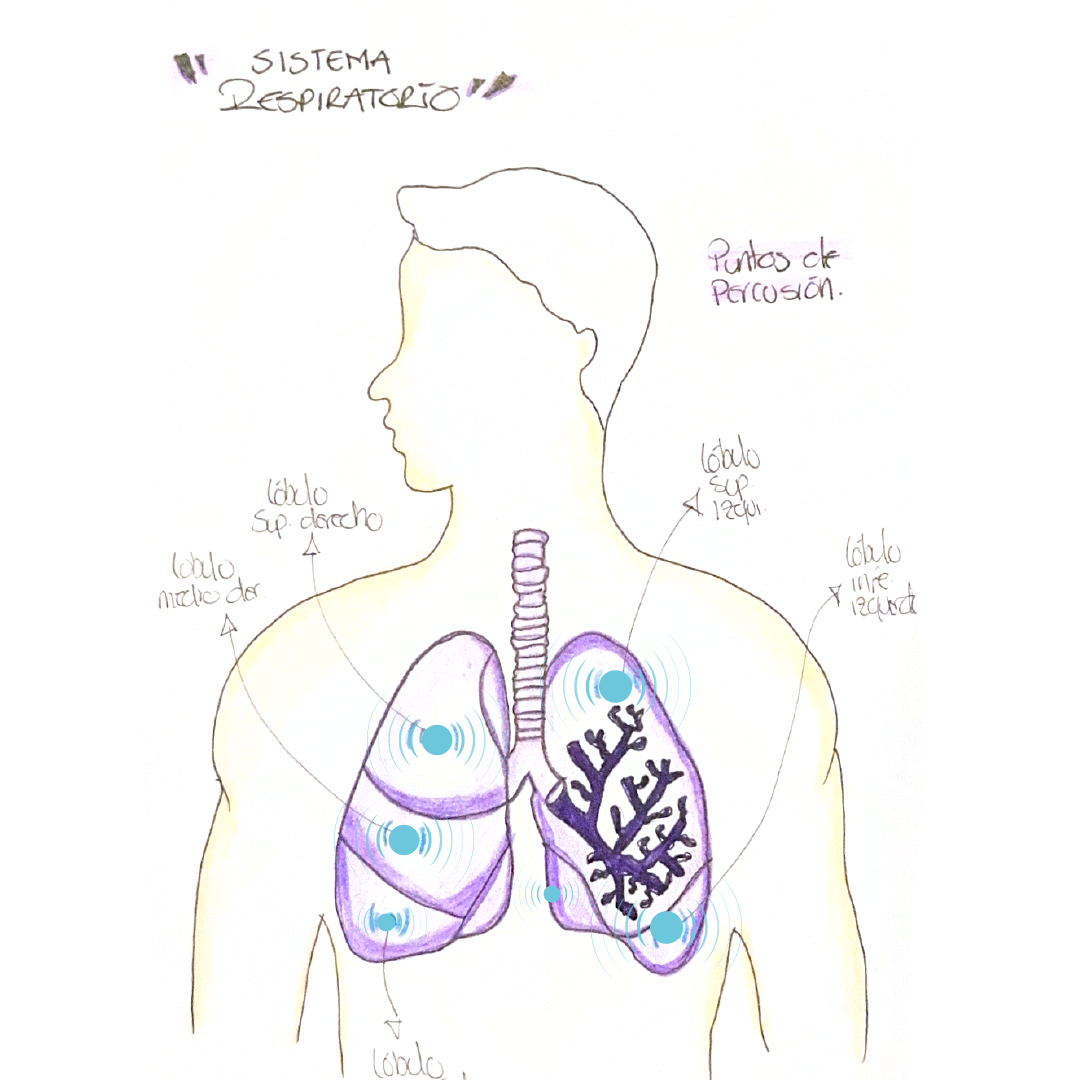
– distribute vibration modules according to pulmonary lobe positioning
– allow prolonged wear without discomfort
– reduce the social stigma often associated with medical devicesThe vest integrates six vibration modules strategically aligned with the pulmonary lobes, a configuration developed in consultation with pediatric pulmonologists.
Beyond functionality, the design prioritises comfort, emotional engagement, and long-term adherence to therapy.
-
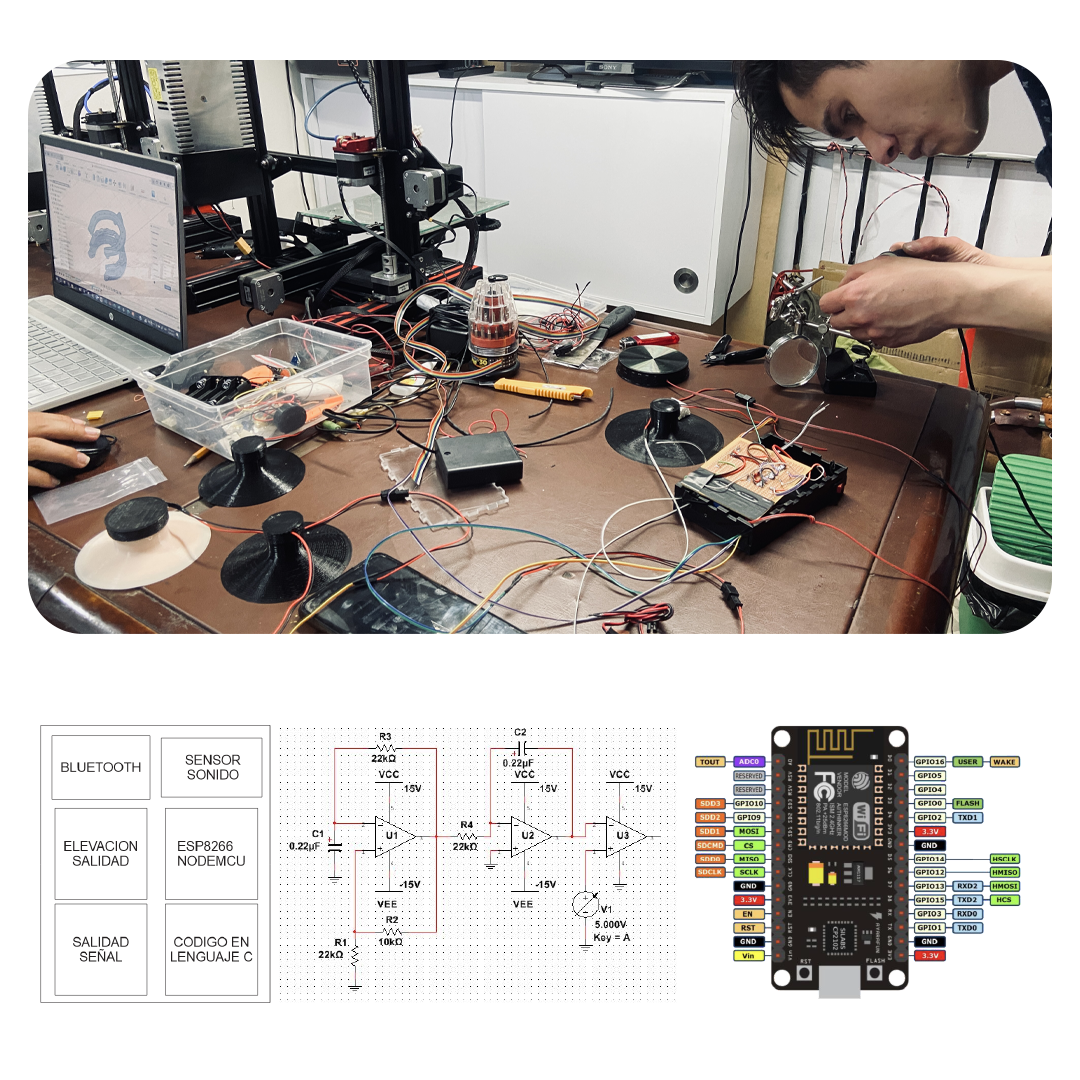
Delivering high-frequency chest oscillation in a wearable format required balancing clinical logic with technical feasibility.
The system integrates:
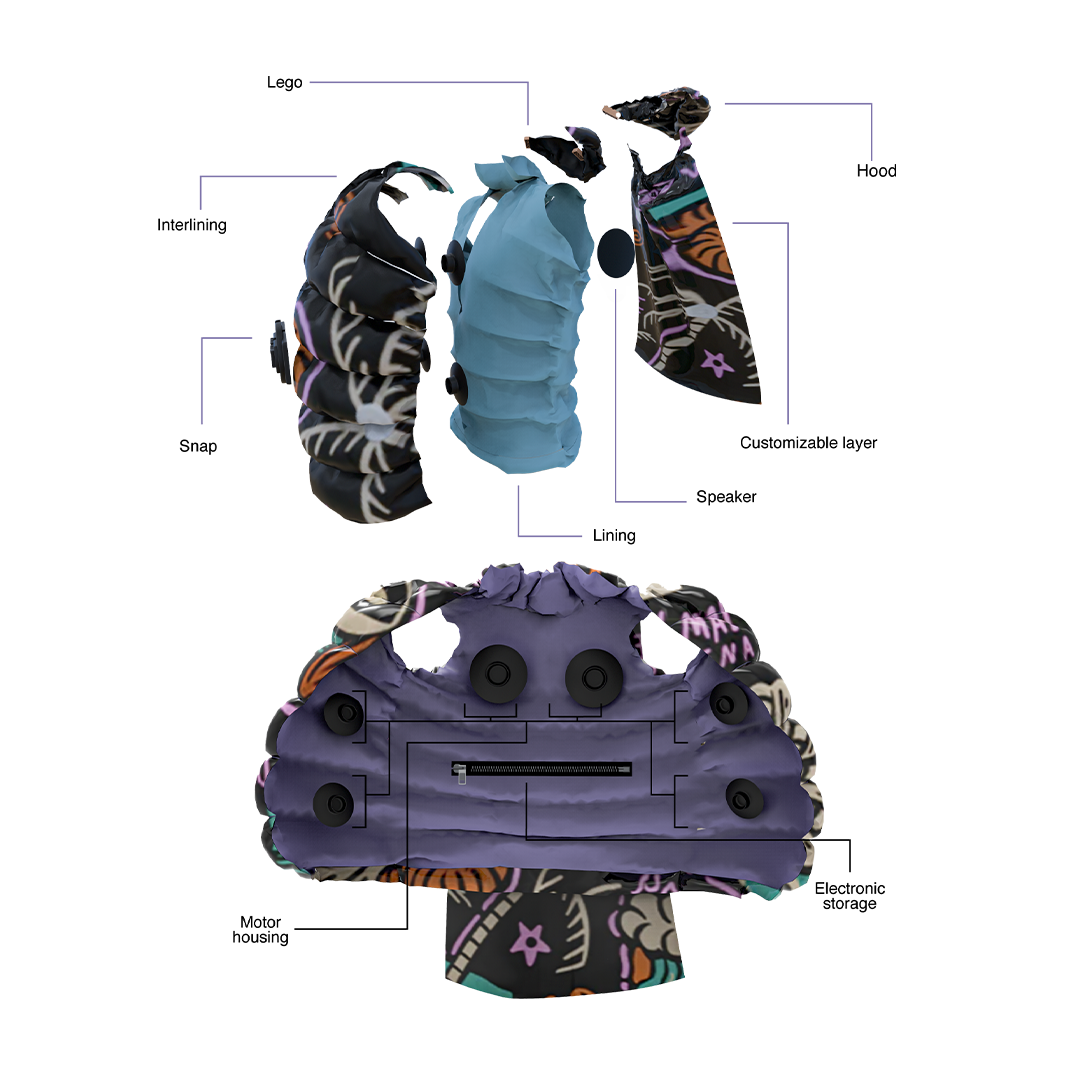
– six vibration modules delivering rhythmic chest oscillations
– a microcontroller regulating vibration intensity through pulse-width modulation (PWM)
– modular electronic architecture enabling adaptive therapy settingsThe design prioritised portability, durability, and scalability, allowing the device to operate outside clinical environments while maintaining therapeutic functionality.
-
Vestik was developed with a sustainability mindset, integrating materials that balance performance, durability, and environmental responsibility.
The system combines:
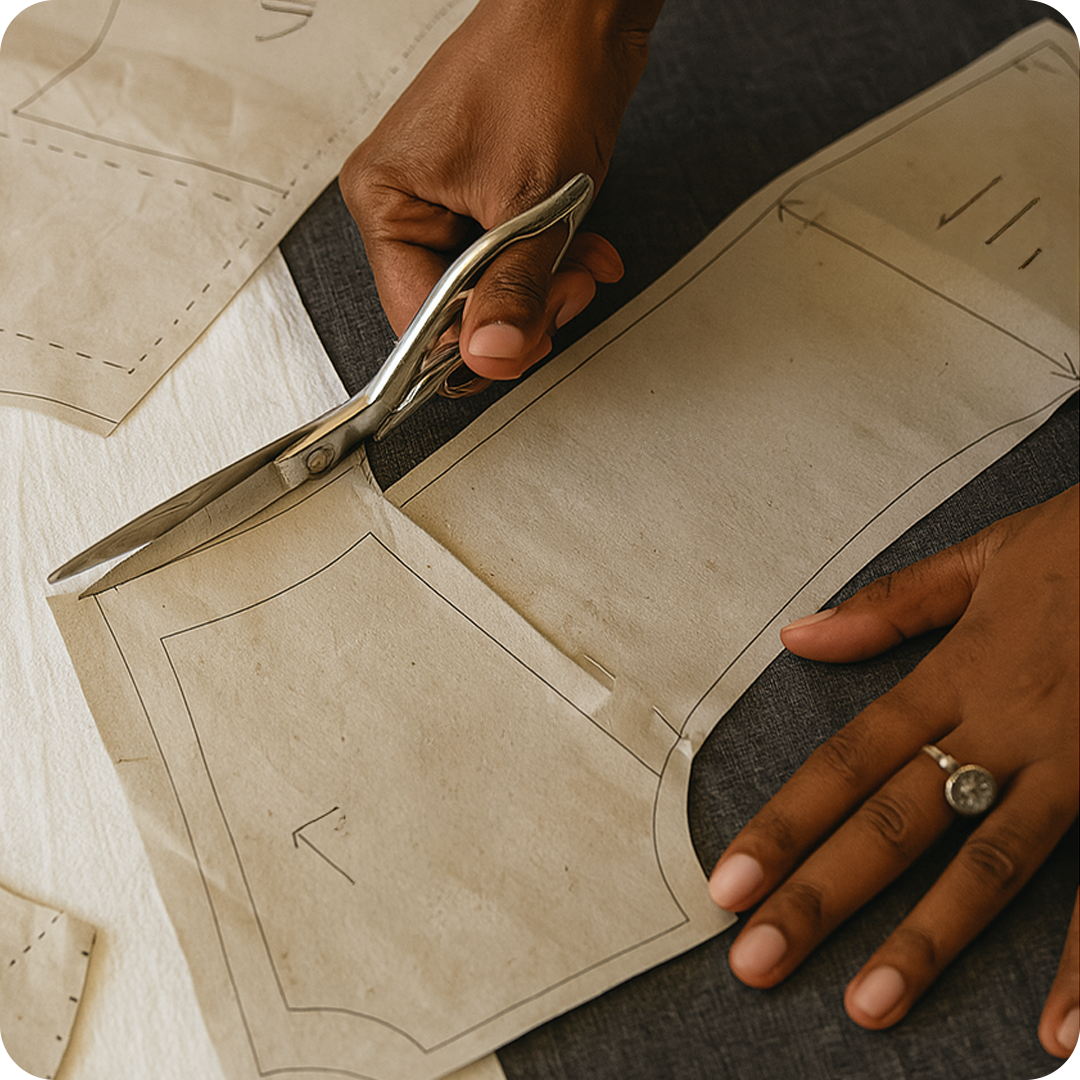
– recycled PET textile structures for the vest body
– 3D-printed biopolymer components for structural elements
– modular parts allowing size adjustments as users growThis modular strategy extends product lifespan and reduces material waste, reinforcing the idea that healthcare innovation can also be environmentally responsible.
-
Vestik demonstrates how design can democratize access to healthcare technologies.
By transforming respiratory therapy into a portable and engaging system, the project reduces dependence on hospital-based equipment while improving therapy adherence among young patients.
Recognized as the National Winner of the James Dyson Award 2025, the project has attracted interest from pulmonologists, hospitals, and research institutions exploring future clinical validation and implementation.
More than a device, Vestik represents a design approach where empathy, engineering, and accessibility converge to improve quality of life.
Development Status & Clinical Pathway
Vestik has completed prototype development and preliminary ergonomic validation through specialist consultation and user-centered design processes.
Formal clinical trials have not yet been conducted.
The next stage of development focuses on controlled clinical validation to assess therapeutic efficacy and regulatory pathways.
Vestik is currently open to collaboration with:
- clinical researchers
- hospitals and medical institutions
- manufacturing partners
- strategic investors
The project is positioned for transition from validated prototype to clinically tested medical device.